Pack Light, Swing Free

Today we’re exploring carry-on friendly golf training aids—packable tools for practice on the road—so your swing, touch, and confidence keep traveling even when your full bag stays home. Expect practical packing advice, quiet drills for hotel rooms, smart feedback options, and a routine you can actually maintain between gates, meetings, and jet lag. Share your favorite compact gadget or road ritual at the end and help fellow travelers play sharper with less.

Smart Criteria for Travel-Ready Practice Tools

Airline Limits, Simplified

Most domestic carry-ons aim for about 22 x 14 x 9 inches, with international carriers sometimes stricter. Keep long items telescoping or folding, and pack heavier pieces near wheels. Separate batteries, label electronics, and avoid sharp spikes. If an aid resembles sporting equipment, be ready to explain. A dedicated pouch speeds security, reduces fumbling, and safeguards mirrors, gates, and sensors from accidental bends or scratches when bins shift or suitcases topple.

Materials and Noise Matter

Most domestic carry-ons aim for about 22 x 14 x 9 inches, with international carriers sometimes stricter. Keep long items telescoping or folding, and pack heavier pieces near wheels. Separate batteries, label electronics, and avoid sharp spikes. If an aid resembles sporting equipment, be ready to explain. A dedicated pouch speeds security, reduces fumbling, and safeguards mirrors, gates, and sensors from accidental bends or scratches when bins shift or suitcases topple.

One Tool, Many Drills

Most domestic carry-ons aim for about 22 x 14 x 9 inches, with international carriers sometimes stricter. Keep long items telescoping or folding, and pack heavier pieces near wheels. Separate batteries, label electronics, and avoid sharp spikes. If an aid resembles sporting equipment, be ready to explain. A dedicated pouch speeds security, reduces fumbling, and safeguards mirrors, gates, and sensors from accidental bends or scratches when bins shift or suitcases topple.

Portable Swing and Tempo Solutions
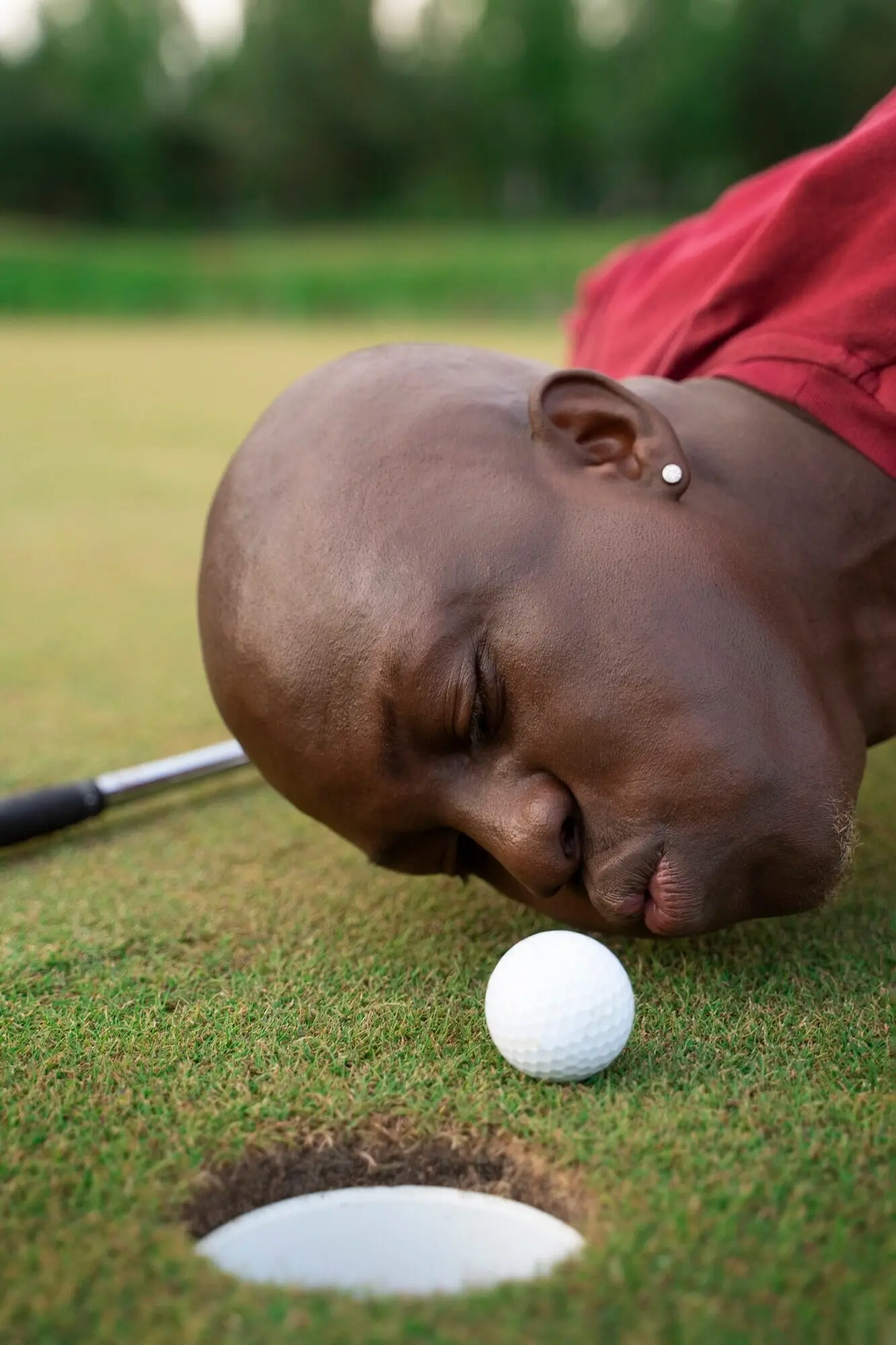
Maintain rhythm and structure without a range using compact tempo trainers, hinge guides, and bands that cue sequencing. Shorter weighted trainers mimic feel while staying under carry-on limits, and folding sticks reinforce plane quietly. Pair drills with a metronome app to standardize cadence across time zones. Emphasize soft footsteps, controlled finishes, and neutral contact points, ensuring that each swing indoors promotes balance, lag, and face control that stands up under real tee-box nerves.

Build Start-Line Consistency

Set a narrow coin gate just ahead of the ball—about one and a half balls wide—and roll through it ten times without grazing. Position a compact mirror to verify eye position, shoulder alignment, and face square at address. Mark the putter’s sweet spot with removable tape for immediate feedback. Count quiet seconds in your routine to stabilize tempo, then note tendencies. Narrow miss patterns reveal whether your face or path needs attention tomorrow.

Calibrate Pace on Any Surface

Use a towel ladder at one, two, and three paces to practice stopping the ball on, not past, each zone. Adjust stroke length to compensate for carpet speed, avoiding deceleration. Employ a single coin as the final target and try to nudge it respectfully, not crash into it. Record how many out of ten finish on each towel. This portable drill sharpens distance control, reducing three-putts when green speeds surprise after long travel days.

Short-Game Reps With Foam and Fabric

Dialing in contact and trajectory requires creative stand-ins for grass and sand. Foam or wiffle balls protect spaces while revealing path, loft, and strike quality. A towel becomes a landing zone; a folded pillow simulates bunker resistance. A collapsible chipping net or laundry basket captures flight windows. Use low hands and shallow entry for bump-and-runs, steeper feel for lob adaptations. Your short game improves when repetition stays safe, quiet, simple, and measurable indoors.

Landing Spot Mastery

Place a small towel five to eight feet away and land foam balls exactly on it, then watch rollout for different lofts. Shift the towel in one-foot increments to explore trajectories. Record which club and stance depth predictably hit the spot. Add a second towel for alternating targets. This non-negotiable habit builds discipline, proving that precise landing control—not guesswork—delivers consistent up-and-down chances even after long flights, unfamiliar grasses, and rushed warm-ups before early tee times.

Strike, Low Point, and Loft

Set a coin an inch behind the ball and avoid touching it while clipping the front edge of a towel for crisp contact. Lightly lean the shaft forward to control loft without stabbing. Use a collapsible alignment stick on the ground to visualize entry. Listen for quiet, brushing sounds, not thuds. Ten expert-quality chips beat thirty careless swipes. Consistency in low point translates immediately outdoors, turning tentative chips into predictable, repeatable flights under pressure.

Bunker Feel Without Sand

Lay a pillow under a towel to mimic resistance and practice the sensation of entering the surface behind the ball. Open the face, lower handle height slightly, and maintain speed through the splash. Aim to send the towel corner forward, not the ball alone. Visualize a dollar-bill entry zone. Keep knees flexed and stance wider for stability on imaginary slopes. This safe rehearsal builds confidence for real bunkers where trust in acceleration matters most.

Pocket Tech for Feedback Anywhere

Small sensors and simple cues provide reliable information without a driving range. Pocket launch monitors measure speed and tempo in tight spaces; phones capture angles and timing; humble impact tape shows strike patterns instantly. Use a mini tripod and consistent framing for comparable clips across trips. Don’t chase perfect numbers indoors—prioritize patterns and progress. Combine high-tech and low-tech feedback to guide micro-adjustments that hold under nerves, weather, and the first tee after delays.

A Traveler’s Routine You Can Actually Keep

The best plan survives delayed flights and hotel check-ins. Aim for short, vivid sessions that compound: tempo, start line, and contact. Post-flight, open with mobility and breathing, then a few quiet rehearsals. Nighttime equals putting process; mornings favor tempo resets. Stay courteous to neighbors by managing noise and space. Hydrate, sleep, and stretch to maintain feel. Share your favorite carry-on aid or drill below, subscribe for weekly road-friendly routines, and help this community travel sharper together.
Cigarsrosenhof
Privacy Overview

This website uses cookies so that we can provide you with the best user experience possible. Cookie information is stored in your browser and performs functions such as recognising you when you return to our website and helping our team to understand which sections of the website you find most interesting and useful.